Home › Signs
Signs of foundation problems
Most of what worries homeowners is cosmetic. The signs that mean movement tend to arrive together: stair-step brick cracks, doors that stop latching on one side, floors that slope across the house. Each page below says which is which, and what the soil under your address does to the answer.
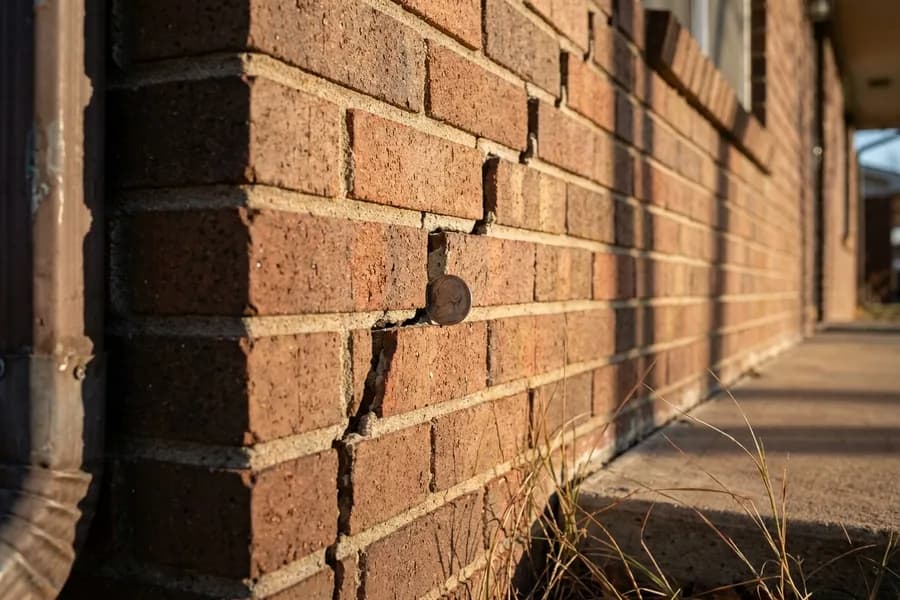
Cracks in the foundation wall or brick
Horizontal, vertical, hairline or stair-step: which pattern is movement and which is shrinkage.
Serious or cosmetic? →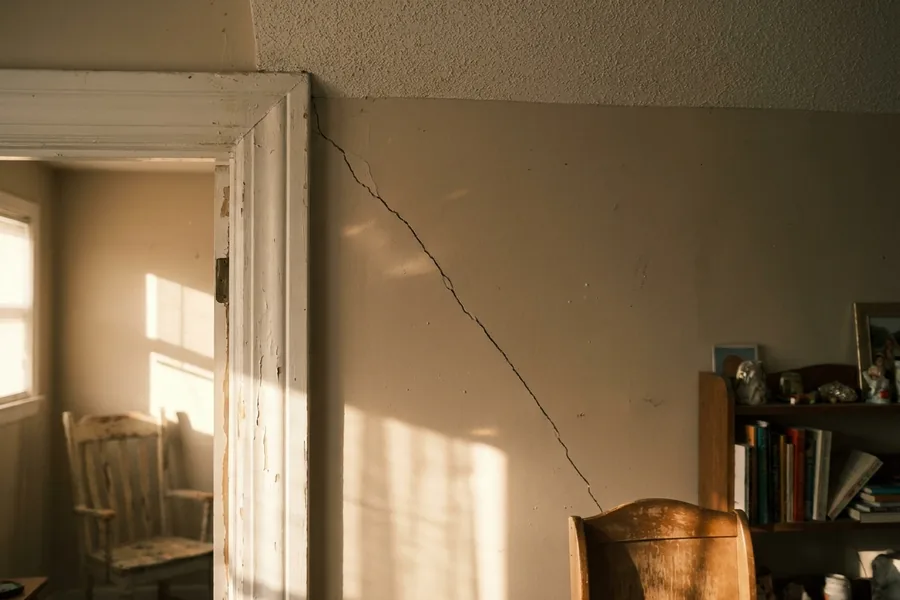
The house is settling
Cracks over doors, a corner dropping, movement that restarts after decades. When settling is a soil problem.
Serious or cosmetic? →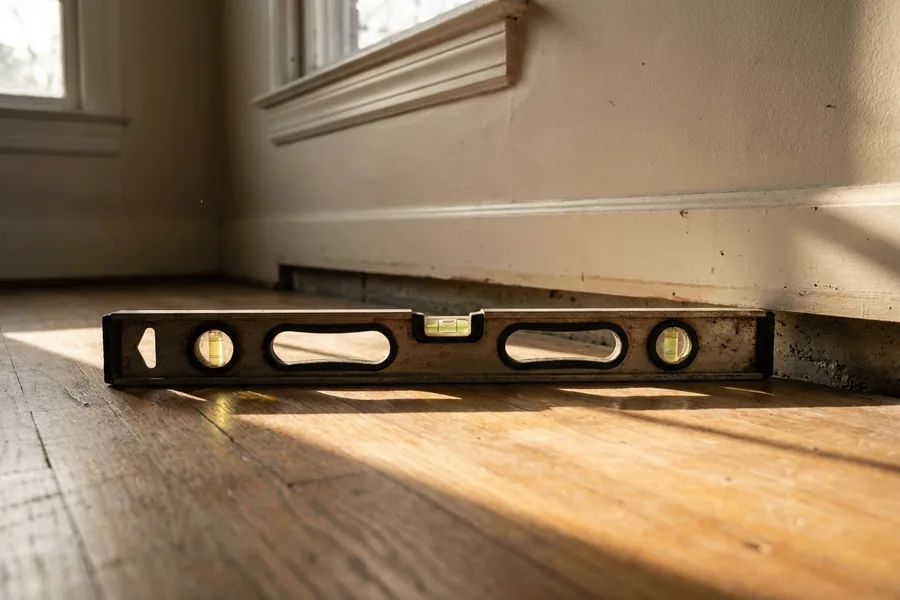
Uneven, sloping or sagging floors
A marble that rolls, a gap under the baseboard: joists and piers over a crawl space, or a slab on the move.
Serious or cosmetic? →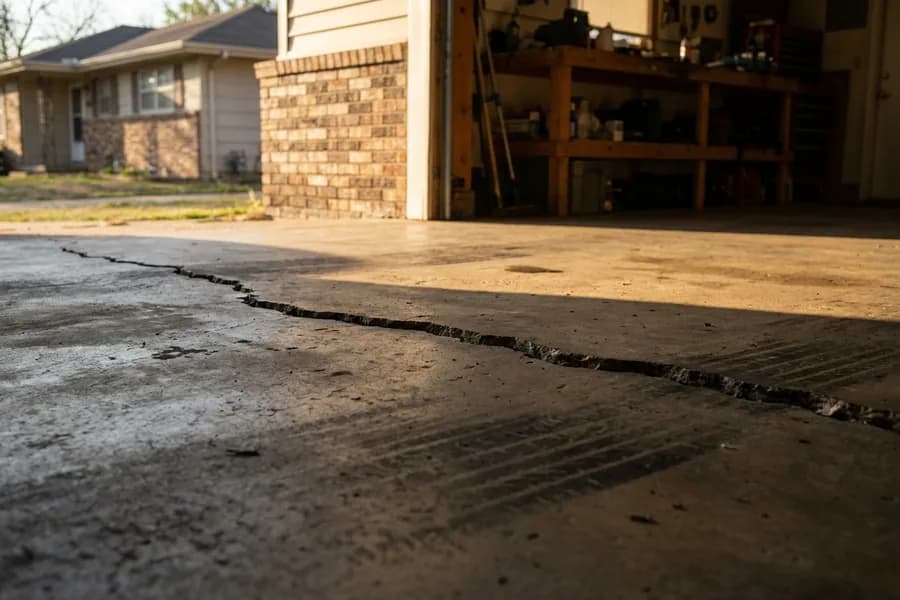
Cracks in the garage or slab floor
One side sitting higher than the other. Whether slabjacking, piers or nothing is the right answer.
Serious or cosmetic? →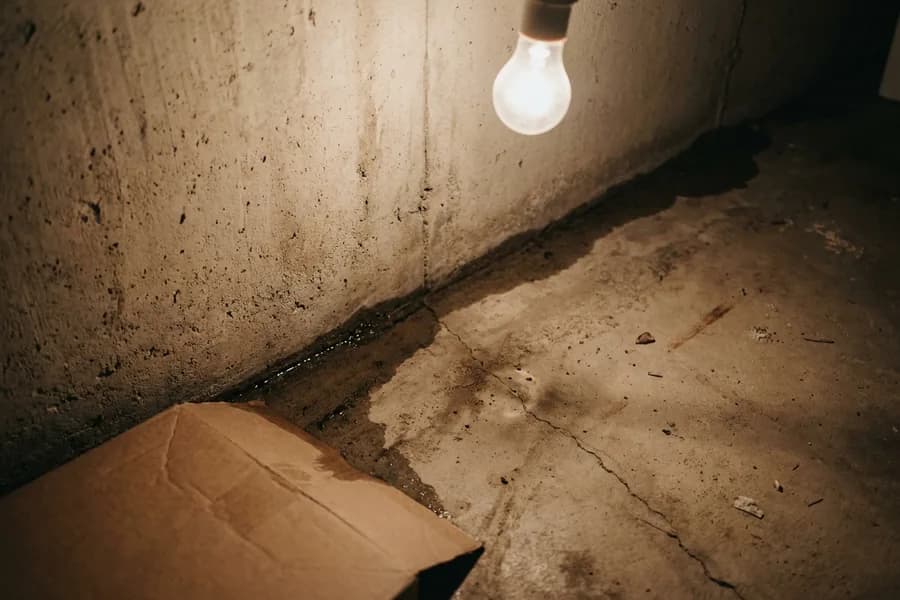
Wet basement or a basement leak
Water at the wall-floor seam is pressure, not a sealant job. The fixes, cheapest first.
Serious or cosmetic? →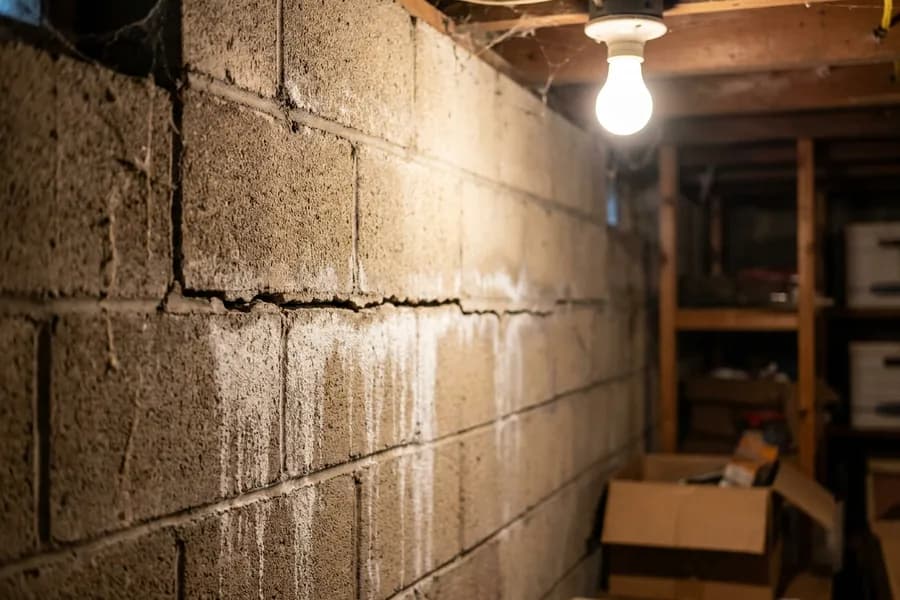
A bowing basement wall
Saturated soil pushing inward. How it is measured, and what carbon fiber, steel and anchors cost.
Serious or cosmetic? →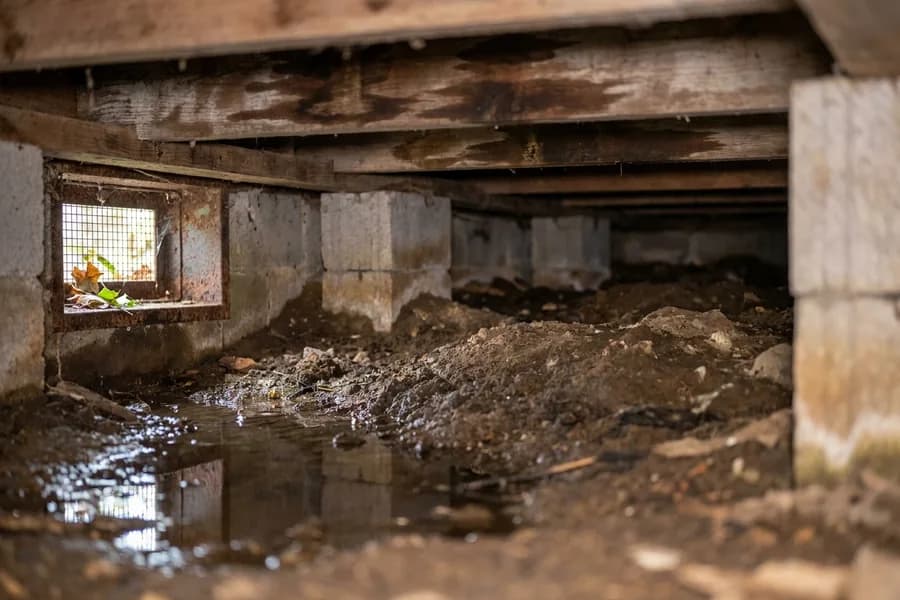
Water in the crawl space
Standing water or damp soil under the house: causes in order of likelihood, fixes in order of cost.
Serious or cosmetic? →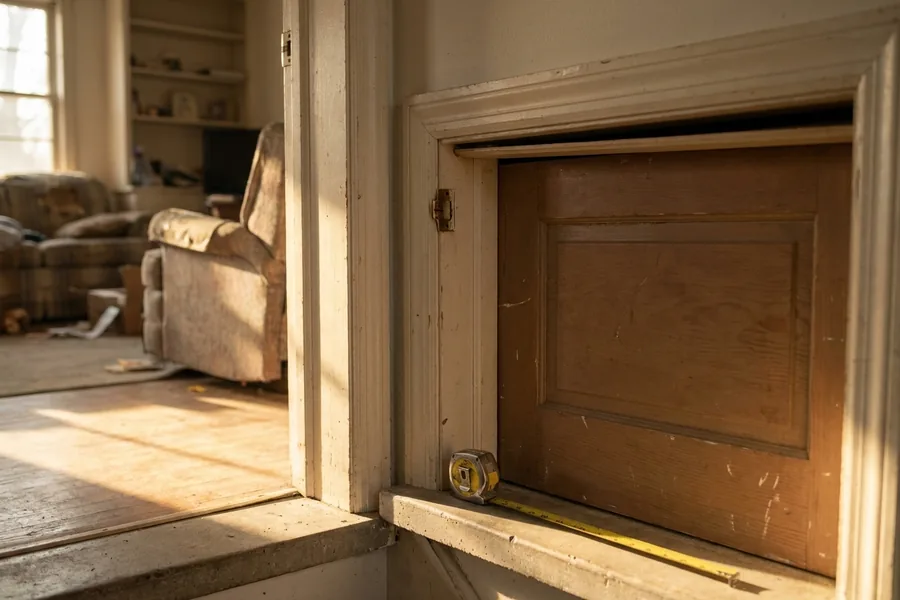
A door that stopped latching
August humidity or a frame racked by movement: the five-minute way to tell them apart.
Serious or cosmetic? →Every symptom page
- Foundation cracks: which ones matter and which don't — Vertical hairline cracks are usually shrinkage; stair-step, horizontal and widening cracks are movement. How to tell, what each costs, and when to call an engineer.
- House settling: when to be concerned — Every house settles a little at first. Movement that continues, is uneven, or restarts after decades is a soil problem. The signs that matter and what to do first.
- Bowing basement walls: what's pushing, and what fixes it — A basement wall bows inward when saturated soil pushes on it. How to measure it, when it is urgent, and what carbon fiber, steel and anchors cost.
- Sagging and sloping floors: what's underneath — A sagging floor over a crawl space is usually joists or piers; a sloping floor on a slab is the slab moving. How to tell which, and what each costs.
- Sticking doors and windows: humidity or movement? — Every house has a door that sticks in August. How to tell seasonal wood swelling from a frame racked by foundation movement, in five minutes.
- Wet crawl space: what to fix first — Standing water or damp soil under the house: the causes in order of likelihood, the fixes in order of cost, and when encapsulation is worth it.
Check the soil under an address
USDA soil survey, read for the top 60 inches under the address. Free, no account, nothing is sent to a contractor.
Usually 1–3 seconds. The USDA service occasionally takes longer.