Free · USDA soil record · cited cost ranges
Is your foundation repair quote fair?
Soil Record is a neutral second opinion, not a contractor. We read the public soil survey under your address and the published price of each repair, and we say plainly when a quote looks aggressive or when you probably don't need the work.
Free call · we don't sell repairs · nothing goes to a contractor unless you ask
- We can say “low risk”
- Every price cited
- 29 cities, 16 states
- No contractor rankings
Check the soil under an address
USDA soil survey, read for the top 60 inches under the address. Free, no account, nothing is sent to a contractor.
Usually 1–3 seconds. The USDA service occasionally takes longer.
Soil Record is not a foundation repair contractor.
We don't drive piers, sell products or take money from homeowners. We report what the USDA soil survey says about the ground under a house and what published guides say the work costs, and the tool is built to tell the low-risk homeowner they are low risk.
- Free, no account
- Nothing sent to a contractor
- Sources linked at every number
- We are not engineers, and say so
Start with what the house is doing
Serious, or cosmetic?
Eight things homeowners search for before they call anyone. Each page says which version is movement, which is usually nothing, and what the soil under your address does to the answer.
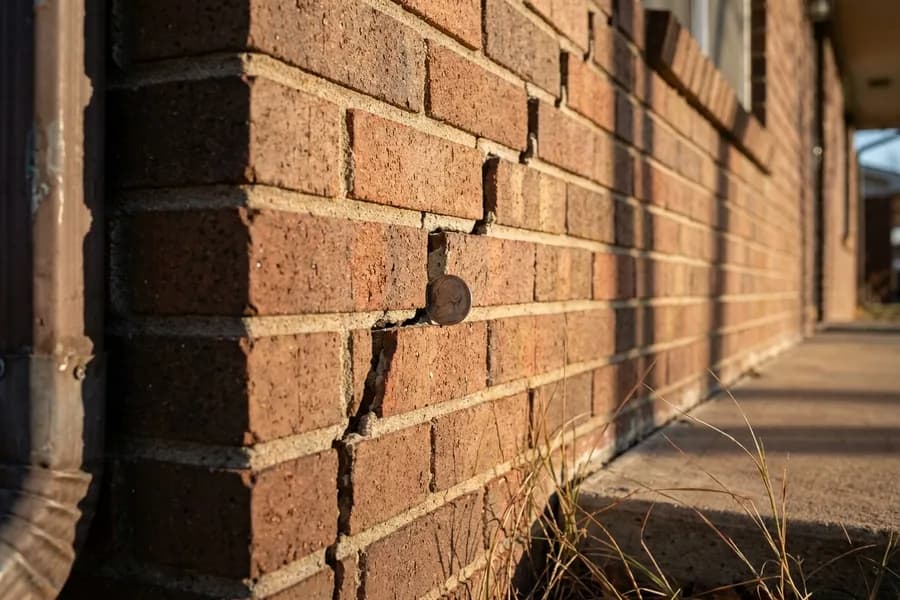
Cracks in the foundation wall or brick
Horizontal, vertical, hairline or stair-step: which pattern is movement and which is shrinkage.
Serious or cosmetic? →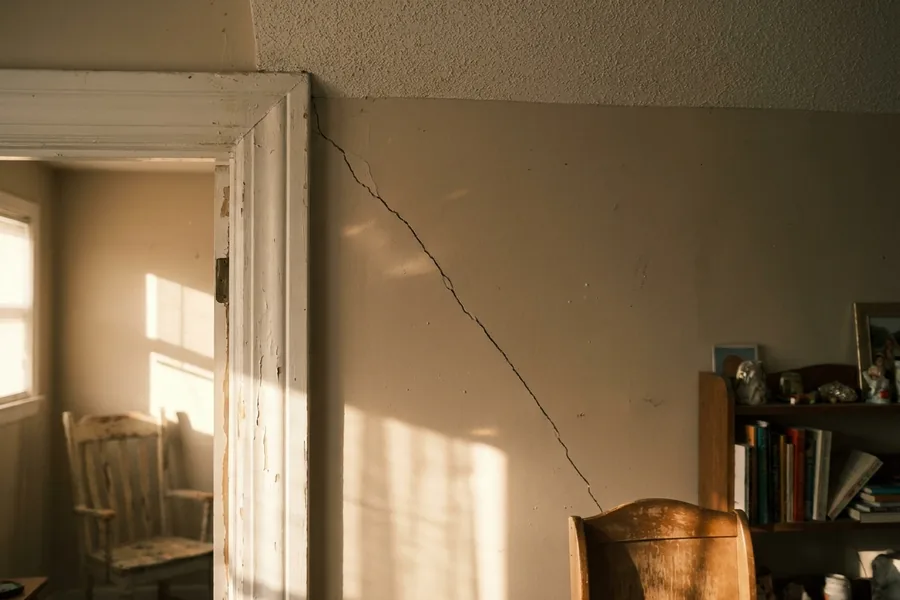
The house is settling
Cracks over doors, a corner dropping, movement that restarts after decades. When settling is a soil problem.
Serious or cosmetic? →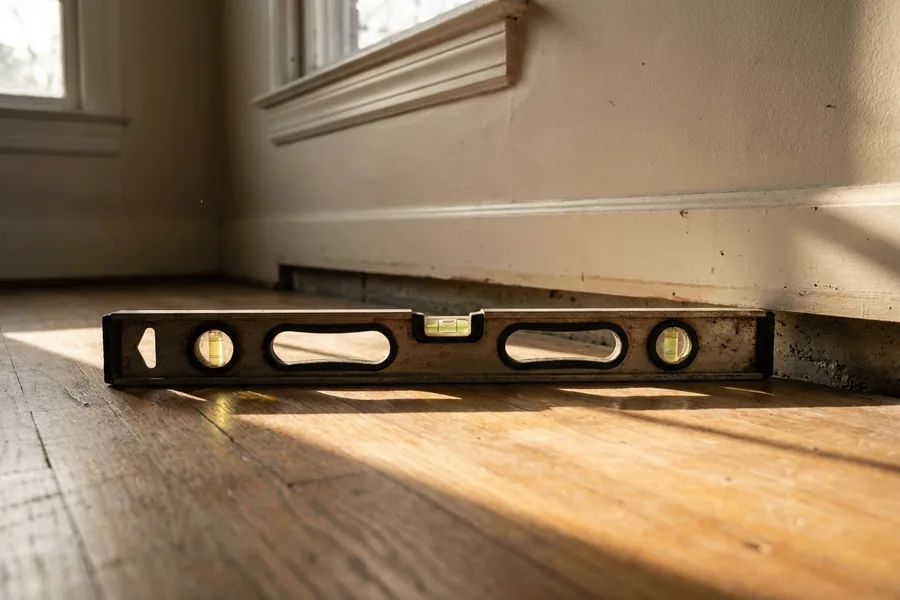
Uneven, sloping or sagging floors
A marble that rolls, a gap under the baseboard: joists and piers over a crawl space, or a slab on the move.
Serious or cosmetic? →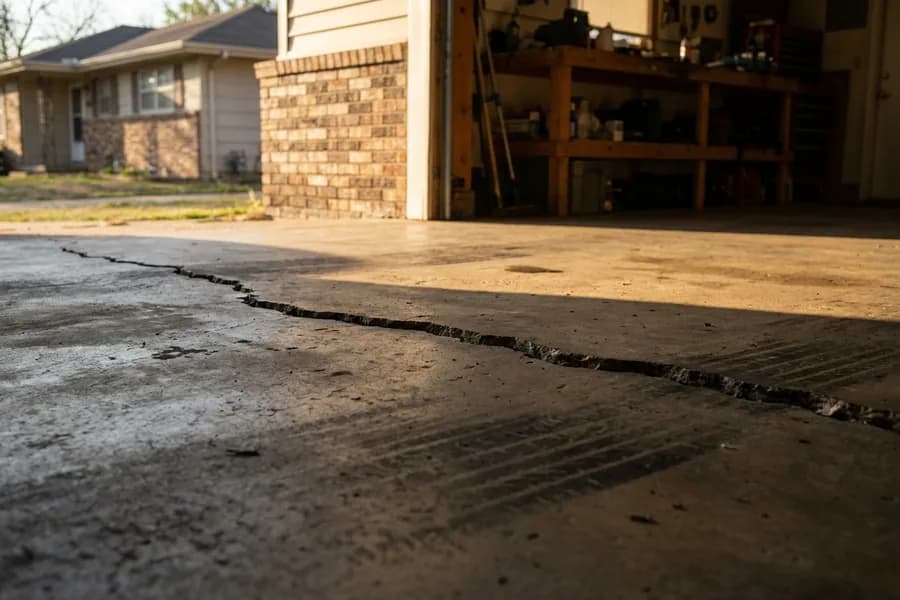
Cracks in the garage or slab floor
One side sitting higher than the other. Whether slabjacking, piers or nothing is the right answer.
Serious or cosmetic? →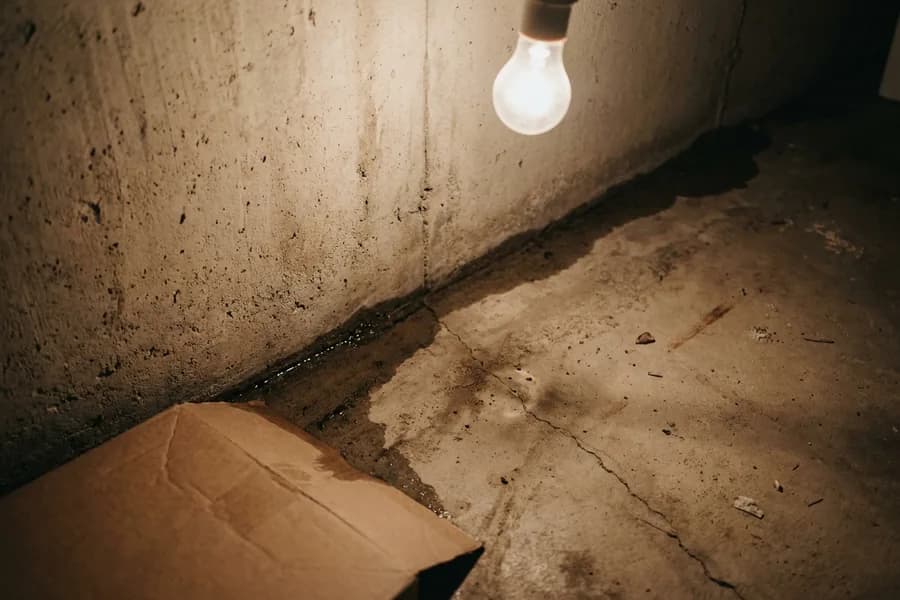
Wet basement or a basement leak
Water at the wall-floor seam is pressure, not a sealant job. The fixes, cheapest first.
Serious or cosmetic? →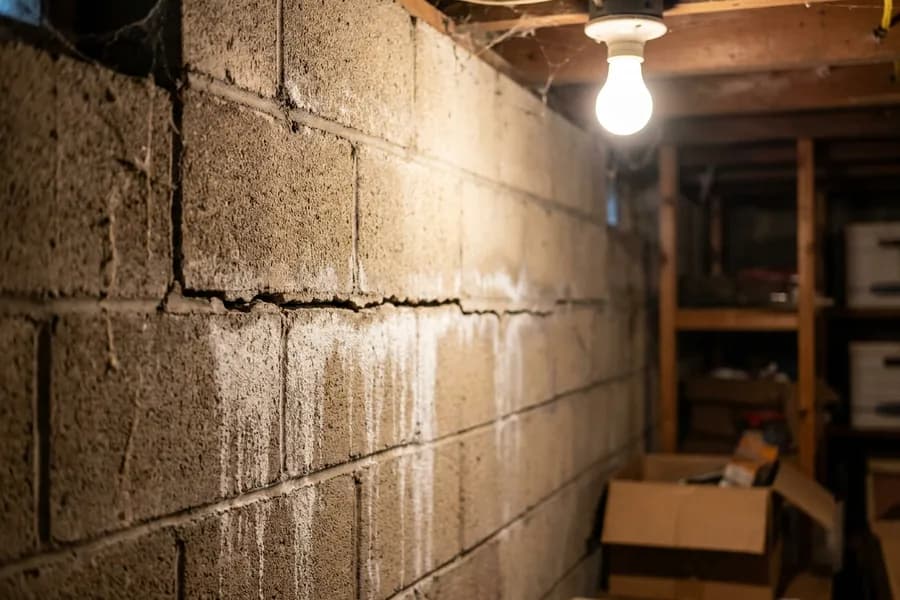
A bowing basement wall
Saturated soil pushing inward. How it is measured, and what carbon fiber, steel and anchors cost.
Serious or cosmetic? →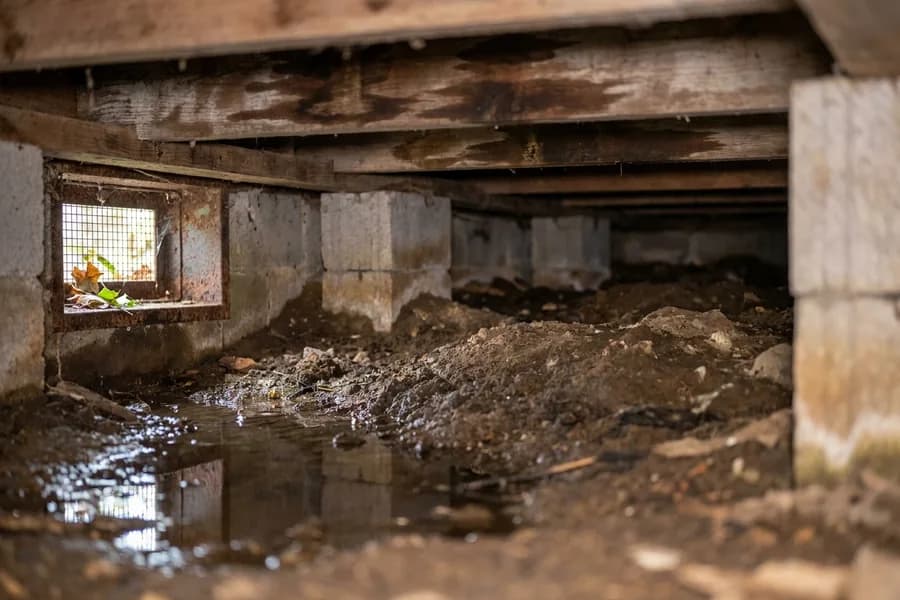
Water in the crawl space
Standing water or damp soil under the house: causes in order of likelihood, fixes in order of cost.
Serious or cosmetic? →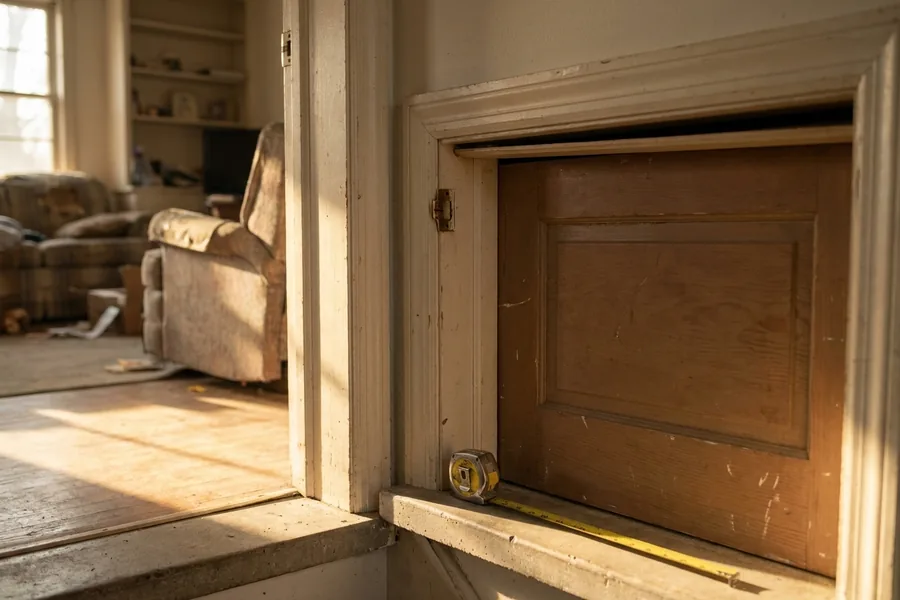
A door that stopped latching
August humidity or a frame racked by movement: the five-minute way to tell them apart.
Serious or cosmetic? →Holding a quote already? Read it against the soil record before you sign.
How it works
Three things to know before you sign
What the soil under the address does
The USDA survey rates every mapped soil for shrink-swell. Expansive clay explains a pier quote; low-swell soil makes one worth a second look.

What the work should cost
Published, cited ranges per method. The pier count decides the total, and it is the number bids on the same house disagree on.
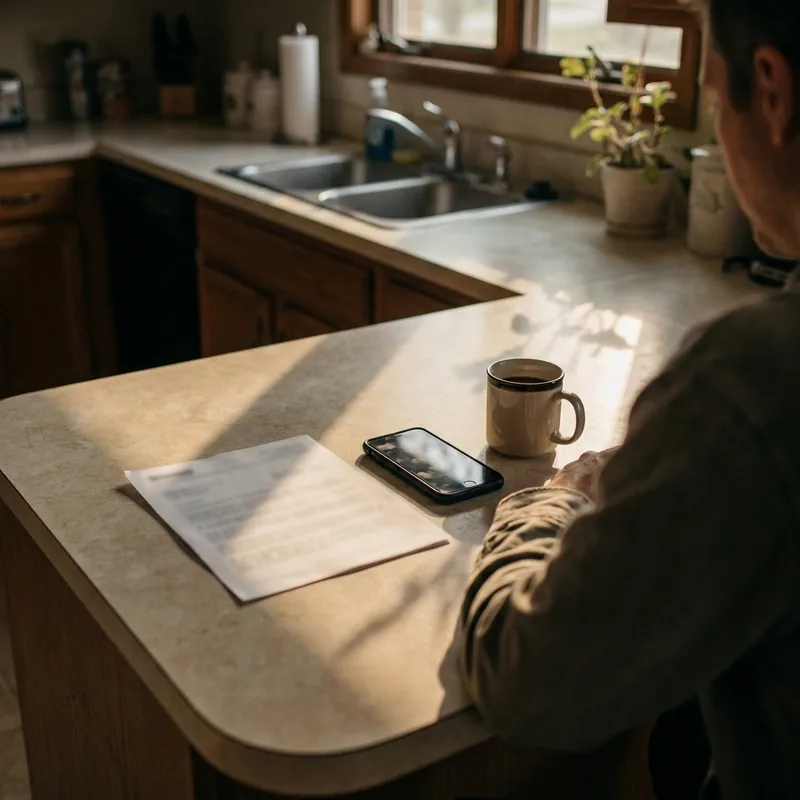
Who should write the scope
An independent structural engineer ($300–$1,000), not the company selling the piers. Then every contractor bids to that scope.
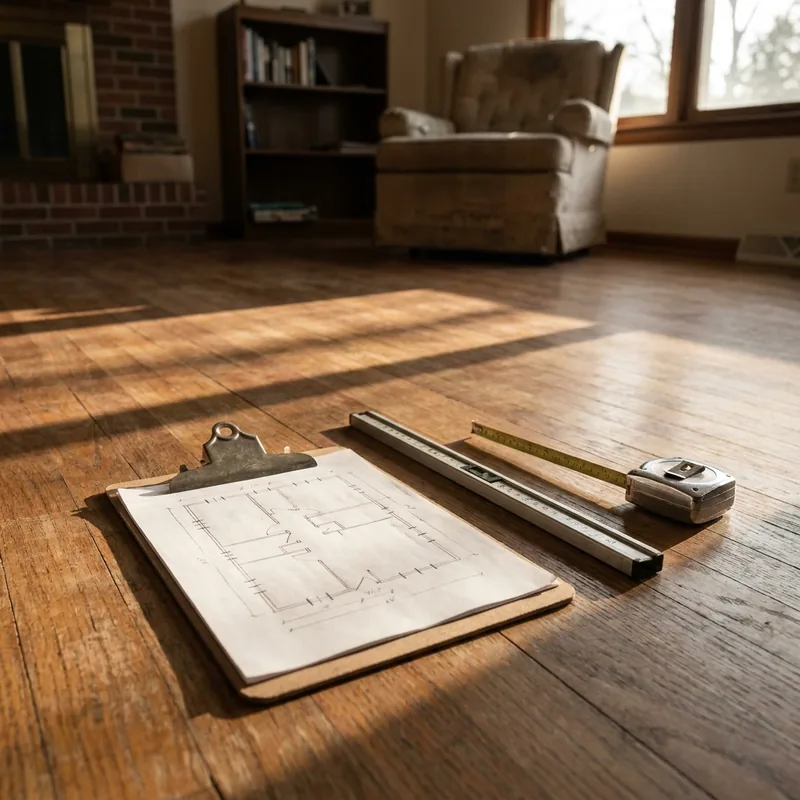
Low-risk soil plus cosmetic cracks is usually a drainage conversation, not a five-figure one.
Where the soil moves
Cities with the most expansive soil
Ranked by the share of county acreage in high or very high shrink-swell class, from the USDA soil survey. Every city page carries its county's map-unit table and the address lookup.
The short answer
In Collin County, 76% of the mapped ground is high or very high shrink-swell clay; in Sedgwick County it is 20%. Same repair, different odds that the soil is the cause.
All 29 cities by state: Texas · Missouri · Ohio · Oklahoma · Arkansas · Colorado · Florida · Georgia · Iowa · Illinois · Indiana · Kansas · Louisiana · Nebraska · Pennsylvania · Tennessee
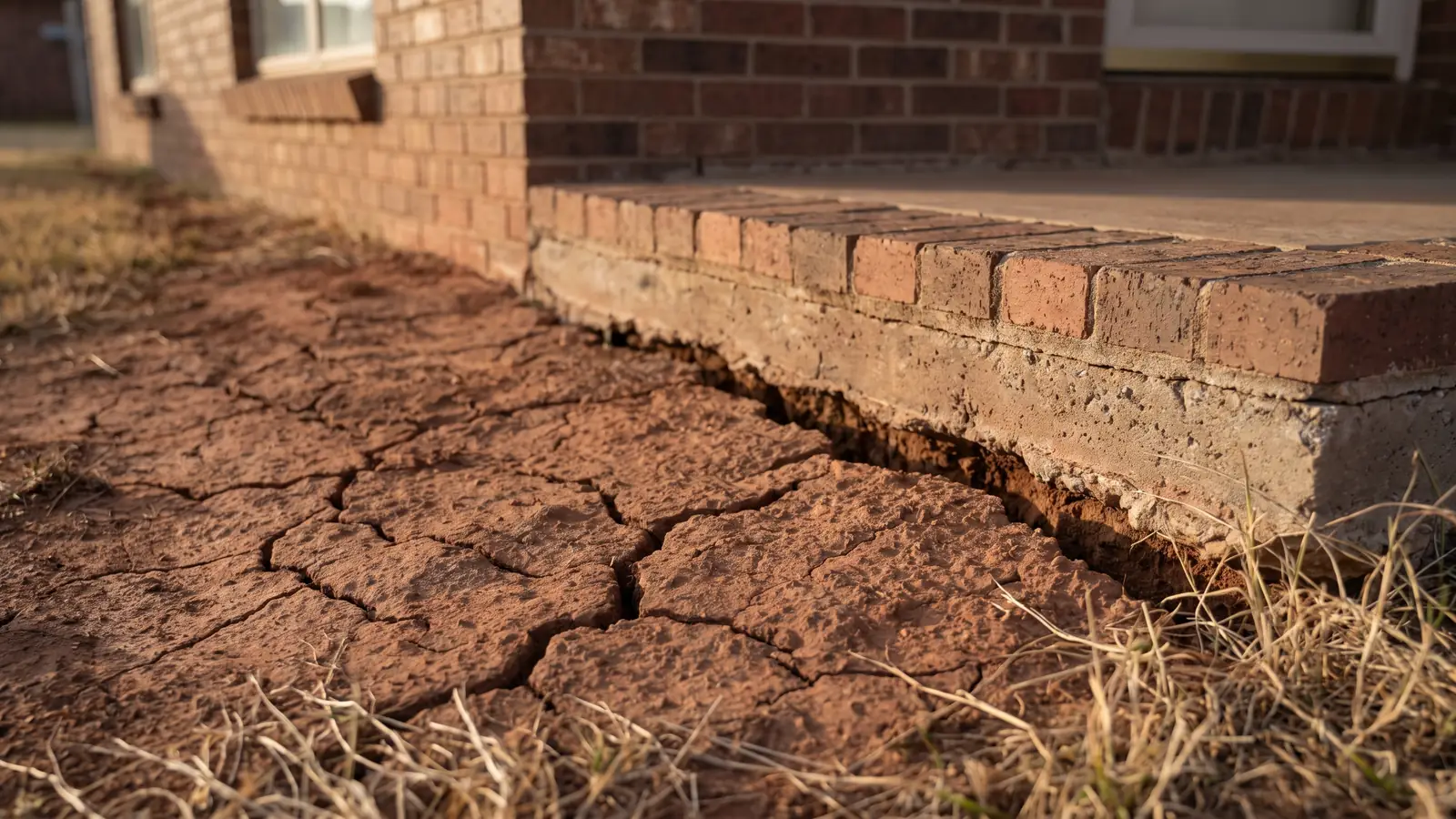
Dry clay shrinking away from a slab edge in late summer: the season when expansive soil opens the widest cracks.
What the work costs
Published ranges by repair method
Typical repair $2,224–$8,134, average $5,179. Source: This Old House — Foundation Repair Cost, updated 2026-03-06 National figures, cited; we do not have city-level price data and will not invent it.
| Repair | Published range | Source |
|---|---|---|
| Mudjacking / slabjacking | $500–$1,300 per job | Bob Vila — How Much Does Foundation Repair Cost?, updated 2024-05-29 |
| Piering / underpinning | $1,000–$3,000 per pier | This Old House — Foundation Repair Cost, updated 2026-03-06 |
| Bowed wall repair (all methods) | $5,000–$15,000 per job | Bob Vila — How Much Does Foundation Repair Cost?, updated 2024-05-29 |
| Foundation sealing / waterproofing | $2,300–$7,300 per job | This Old House — Foundation Repair Cost, updated 2026-03-06 |
| Drainage system | $2,800–$6,500 per job | Bob Vila — How Much Does Foundation Repair Cost?, updated 2024-05-29 |
| Settling / sinking repair (all methods) | $4,500–$20,000 per job | Bob Vila — How Much Does Foundation Repair Cost?, updated 2024-05-29 |
What moves the price
- Pier count and depth, which the soil under that specific house sets, and which an engineer measures instead of estimating.
- Interior versus perimeter piers: interior means cutting the slab and putting flooring back.
- Whether the bid includes a moisture plan; on expansive clay, piers without one treat half the problem.
- What the warranty covers: usually the pier staying put, not the house staying level.
Why this and not a free inspection
How this differs from a contractor's free inspection
| Soil Record | Contractor “free inspection” |
|---|---|
| Can say “you probably don't need this” | Produces a proposal with a pier count |
| Reads the USDA soil survey for the address | Estimates from the outside of the house |
| Every price cited to a published guide | One number, priced to close |
| Free, and nothing is sent anywhere | Free because it is built into the bid |
| Points you to an independent engineer | Sells the repair the engineer would scope |
Where we stand
The honest version
This site launched in 2026 and we are not going to invent reviews or a “trusted by” strip. What we will show you: the six real addresses we validated the soil chain on, the three cities we refused to build because their soil data was too thin, and the source behind every dollar figure. Methodology and data sources →
Questions, answered
Foundation repair quotes: what people ask
Is Soil Record a foundation repair company?
No. We do not do repairs, sell products, inspect houses or rank contractors. This site reads the public USDA soil survey under an address and the published cost ranges for each repair method, and tells you when a quote looks aggressive and when you probably don't need the work.
What does the soil lookup actually tell me?
The shrink-swell class of the ground under the address, from the USDA soil survey: how much the soil changes volume between wet and dry, weighted over the top 60 inches. High and very high classes are expansive clay, where foundation movement is common. Low means expansive clay is unlikely to be what is moving your house, and the cheaper causes (drainage, a plumbing leak, a tree, poor fill) come first. It describes the soil, not your house.
How much does foundation repair cost?
Published national guides put a typical repair at $2,224–$8,134, average $5,179; piers run $1,000–$3,000 each, and the pier count is what moves a quote. Every figure on this site is cited to the guide it came from; we do not invent city averages.
Do I actually need foundation repair?
Often not, and the site is built to say so. Cosmetic drywall cracks on low or moderate shrink-swell soil are usually a drainage conversation. Stair-step brick cracks, doors that stop latching on one side and floors sloping across the house are the signs an engineer looks for, and an independent engineer's report is what decides it.
Does homeowners insurance cover foundation repair?
Usually no. Standard homeowners policies exclude earth movement (settling, shrinking, expanding and cracking of the foundation), so damage from expansive soil is not covered. Damage that results from a covered sudden event, such as a burst pipe flooding under a slab, can be, and separate earthquake or flood policies cover those perils.
What happens when I save a result?
It is stored with the consent sentence you accepted, along with the soil result and what you told us about your quote. Nobody is scheduled to call you. If you tick the box asking to talk to someone, that is recorded too, and if we add an engineer or contractor referral route for your area we may contact you once about it.
We are not engineers and this is not an engineering opinion. We report public soil-survey data and published price ranges. Nothing here states that a specific house is or is not structurally sound; a licensed structural engineer who has seen the house can.
Before you call anyone
Three things worth ten minutes
Before you sign
A quote is not a diagnosis.
Read it against the soil under the house and the published price of the work before you sign. If it holds up, you will know why; if it doesn't, you will know what to ask.
Free call · we don't sell repairs · nothing is passed to a contractor unless you ask.
What a call is for
Read the quote together. Pier count, depth, warranty terms, whether there is a moisture plan.
Read the soil record. What the USDA survey says the ground under the address does.
Decide the next step. Usually an independent engineer's report, sometimes drainage, sometimes nothing.
We do not sell repairs and we do not pass your number to anyone unless you ask us to.